
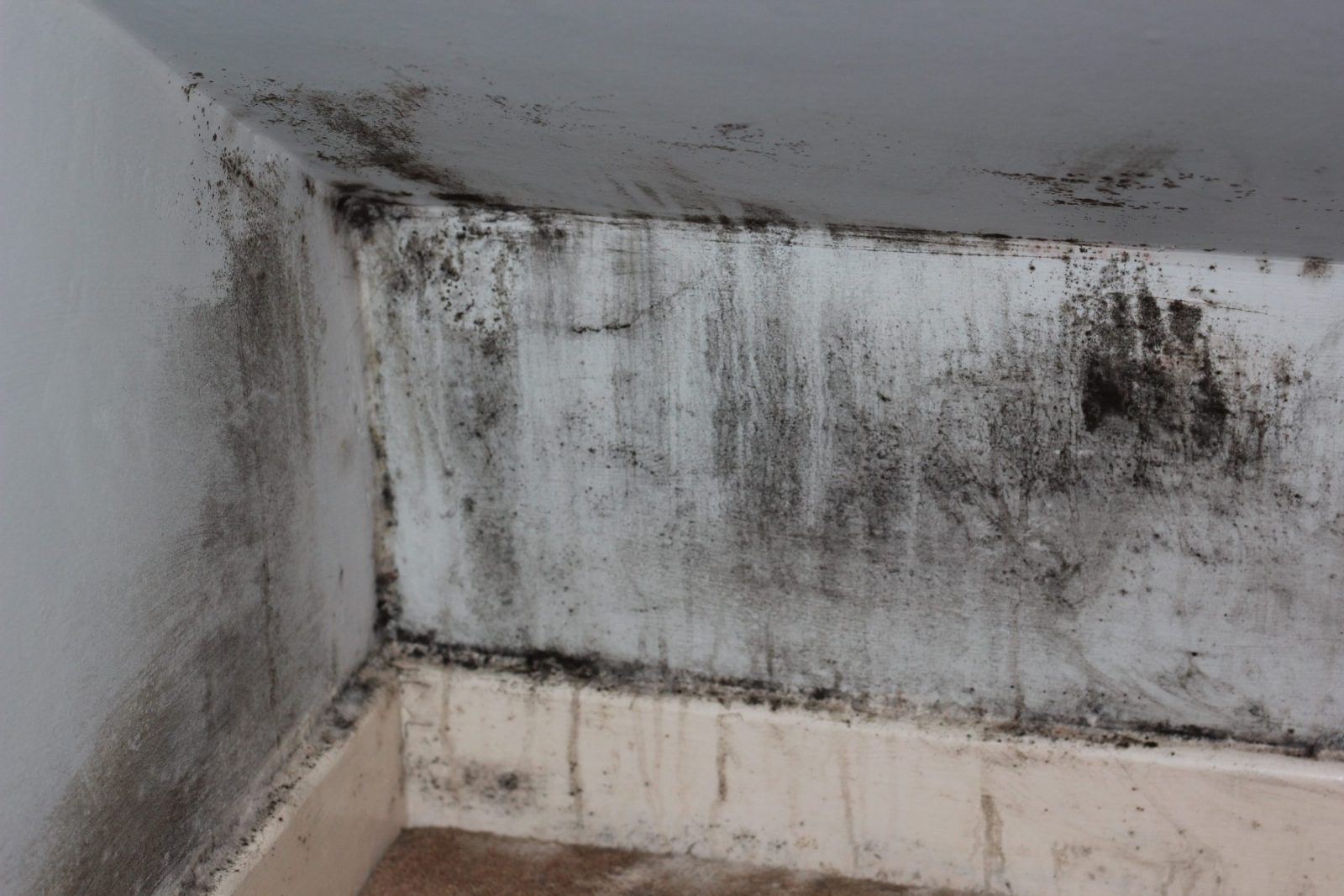
Basement mould is becoming an increasingly common problem for homeowners across the world—particularly in Canada and the United States. It should be no surprise really; fungi of all kinds make up more than 25% of the Earth’s biomass. They’re hardy survivors, which perhaps explains why so many homeowners are at a loss when it comes to preventing mould. It’s not always easy to do!
That being said, there are serious consequences to a mouldy basement. Spores will impact a home’s inhabitants in a myriad of ways, including allergies, cold-like symptoms, even discomfort when breathing. And although many people believe that basement mould is limited to the air in the basement, the truth is more upsetting—due to the natural circulation of air inherent to most home designs, the low air in your basement inevitably rises through the rest of the house.
What’s a person to do against such reckless growth? Read on…
Common Causes of Mould in the Basement
Mould is insidious. Like death and taxes, a little bit of mould is simply a fact of life—it’ll come one way or another. On the other hand, there are a few primary factors that contribute to truly out-of-control growth.
Mould may grow anywhere organic materials are located. But generally speaking, mould needs a few things to grow. Chief among them is a food source, which must be organic. In the home, organic often means wood, drywall, or cotton. Mould also requires some warmth, some darkness, a little moisture, and oxygen. For these reasons, it’s generally fair to say that water in your basement is always bad news.
Humidity
Humidity is to mould as a nice beach is to tourists. If you’ve got a humid basement, chances are mould isn’t too far away.
This is especially problematic in naturally humid areas, like coastlines or communities near large water. In that case, or in any situation that humidity becomes problematic, it’s worth the investment into a serious ventilation system.
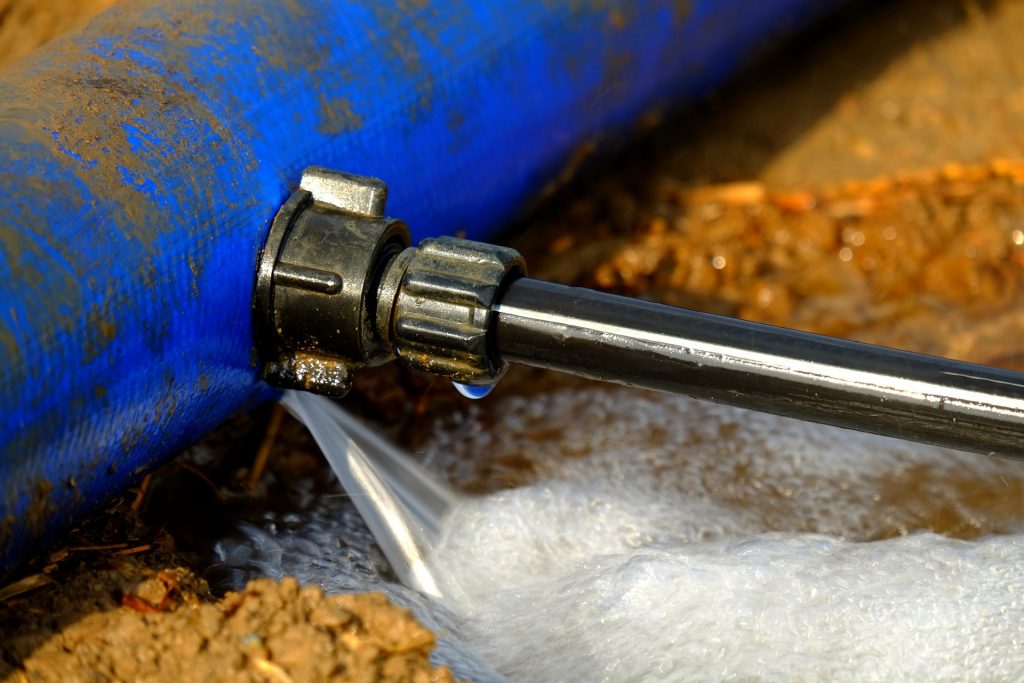
Leaky Pipes
A leaking basement is a surefire way to bring in mould. Leaky pipes are sneaky and can allow water to accumulate without your necessarily knowing—especially considering that basement plumbing isn’t always up to the same standards you might be used to. It’s important to make routine checks of your basement pipes a part of your home maintenance checklist. Besides preventing mould problems, doing so may help you avoid issues with a flooded basement in the future.
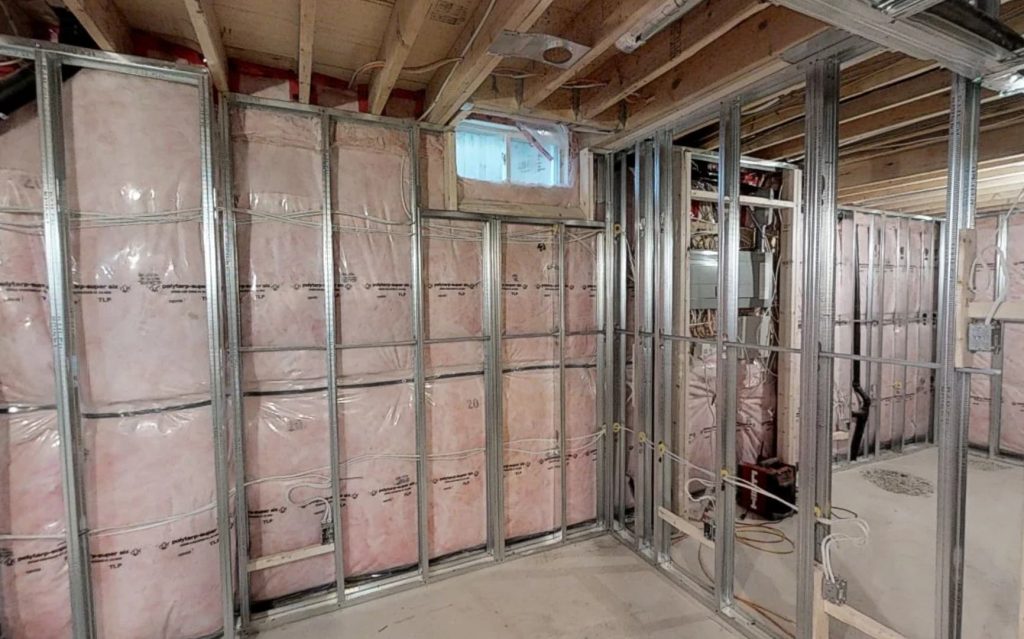
Bad Basement Insulation
Not all basement wall insulation is created equal. Unfortunately, some contractors forget that basement insulation has different requirements than insulation for the above-grade portions of your home. For example, upstairs the biggest providers of moisture are activities like cooking and washing. But down in the basement, the problem is typically groundwater being sucked up by your concrete.
If insulating interior basement walls aren’t created with interior moisture in mind, it can lead to the relatively warm air of your basement settling against the cold foundation walls, resulting in condensation, moisture, and (you guessed it) basement mould.
RELATED ARTICLE: Basement Insulation
Solutions to Solve Basement Mould

1. Keep Plants out Of Your Basement
As we mentioned, too much water is the bain of a healthy basement. And most houseplants, by virtue of needing water to survive, will only cause problems in this regard. Although there are a few species that can be trusted to produce a minimum amount of excess water, generally speaking, they release moisture into the air through pores in their leaves (called stomata).

2. Avoid Basement Carpets
Many (if not most) basements have no vapour barrier underneath them, and as such are constantly evaporating a fair amount of water into the air above them. This is already bad for a basement… but a heavy carpet only makes things worse, trapping that moisture in a dark and warm cocoon. Best to skip this flourish if at all possible.
If you do choose to add a carpet, make sure to use a synthetic fibre capable of releasing the moisture it traps, so you can avoid the unfortunate predicament of basement mould underneath your carpets.

3. Ditch the Wood Flooring
In 90% of basements, there’s simply too much moisture to make a wood floor viable. Installing wood is like serving up a free meal for any potential bacteria looking to grow in the damp darkness.
4. Check Dryer Vent
Make sure that the vent from your clothes dryer is releasing air outside.
5. Check the Basement Plumbing
It’s incredibly important that you ensure tubs, sinks, and other plumbing are properly sealed. As mentioned previously, basement plumbing can sometimes be relatively unrefined when compared to that of the rest of your house. That makes it doubly important to be vigilant when it comes to seals.
6. Repair Leaks as Soon as Possible
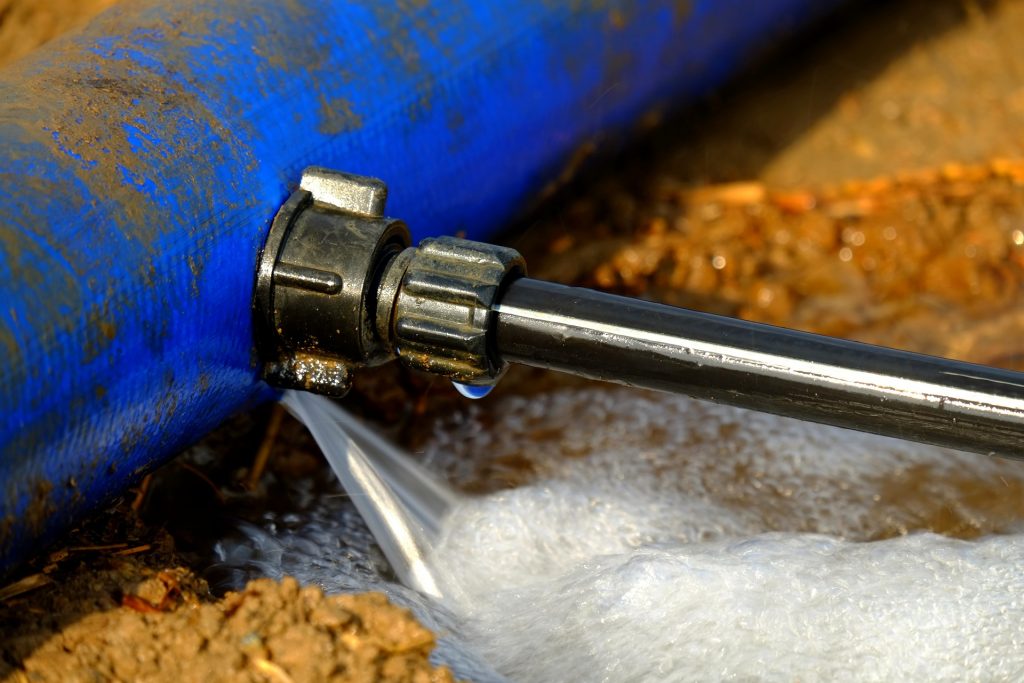
Water comes into your basement from every which way—groundwater pushes against the sides of your foundation, moisture seeps in from below… the last thing you need is a leak to be adding even more water to the issue.

7. Do Not Store Damp Items in Your Basement
At this point, it should go without saying: storing damp items in your basement is a recipe for disaster. But it bears mentioning because the practice is so common. After all, if your basement is the place you spend the least time in your home (very common) it can be tempting to store inconvenient or unsightly damp items down there, away from view.
8. Check Your Sump Pump
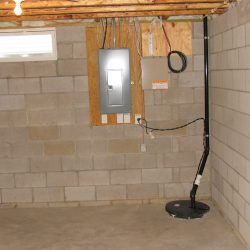
When it comes to defending against basement floods, the sump pump is your star player. It’s responsible for disposing of excess water before it’s able to build up. As with any star player, it’s important to keep your sump pump happy (no matter how finicky it may be). A malfunctioning pump may quickly lead to flooding. And as you well know, flooding turns to mould in your basement pretty quick.