
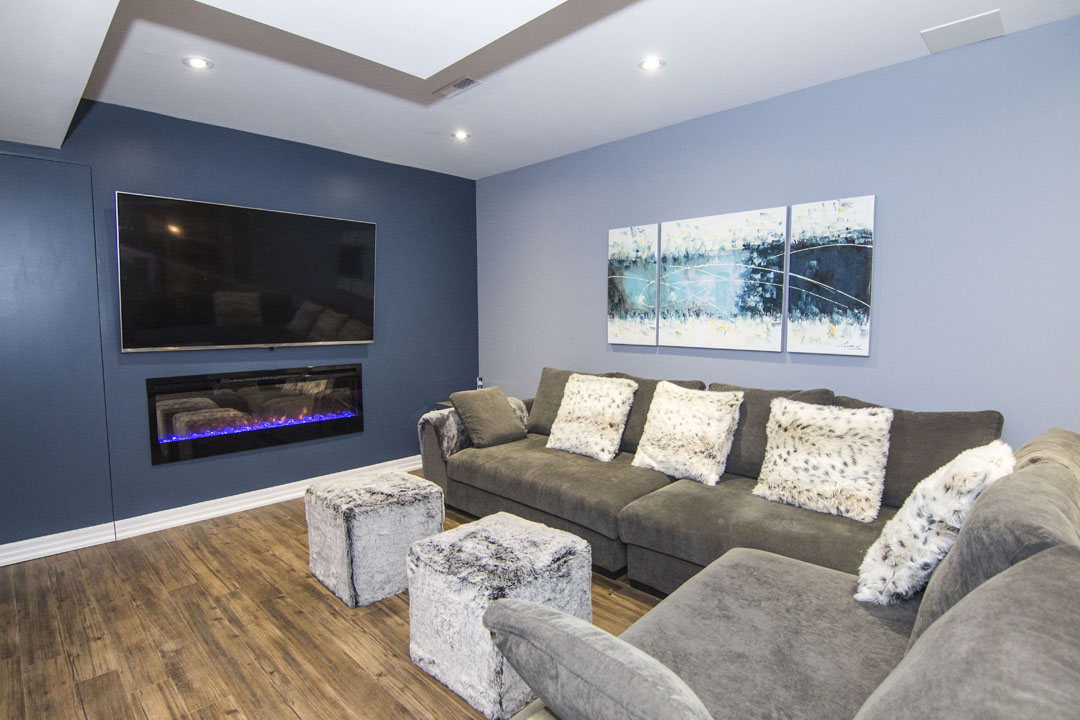
Home improvements are a major job and finishing your basement walls can certainly be a challenging task. Your basement walls may require more attention than the other areas of your home.
Even if you have experience working with concrete walls, finishing basement concrete walls is often best left to the professionals in basement finishing. This is not the kind of job you would want to tackle on your own.
DO get a permit before making major changes
If you plan on making major improvements beyond a coat of paint, you need to look into getting a permit. Adding an extra room requires walls, electrical work, and even plumbing.
If you don’t get the required permits, it can cause a lot of problems down the line. If something goes wrong and you cause damage to your home, your homeowner’s insurance may not cover it.
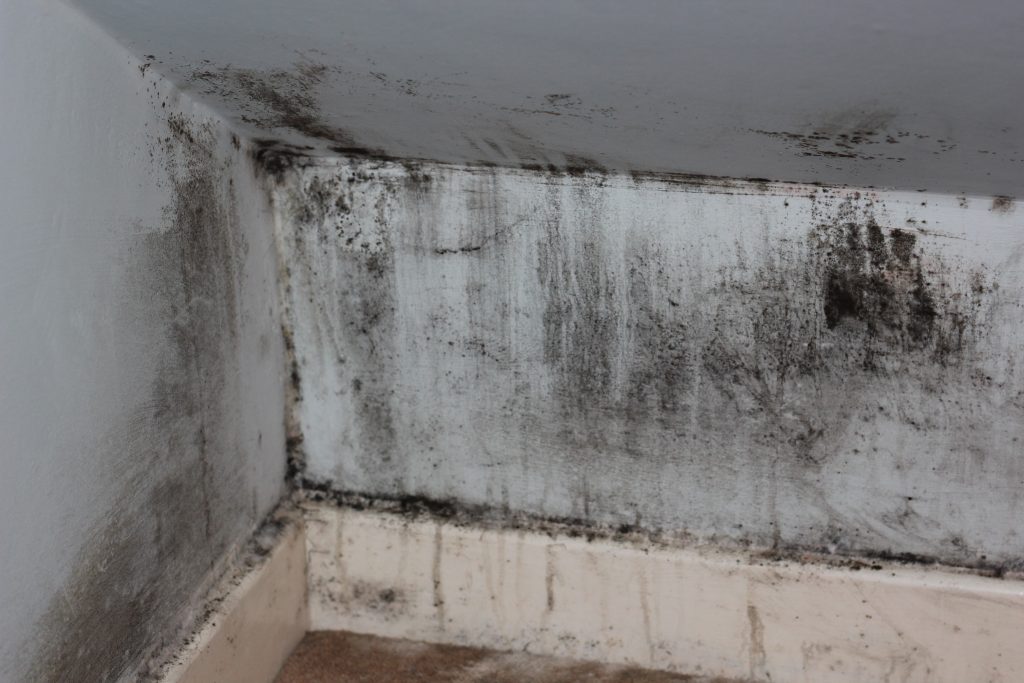
DON’T finish walls until the basement is dry
Basements are notorious for being damp spaces. Whether you are making a few small repairs on cracks or leaks, it’s best to check the basement to ensure that there is no moisture or damp patches.
Get the basement tested for moisture levels and let the basement air out as much as you can before proceeding with the work. Use a dehumidifier, fans, check vents, seal leaks and cracks, and make sure to keep it well ventilated.
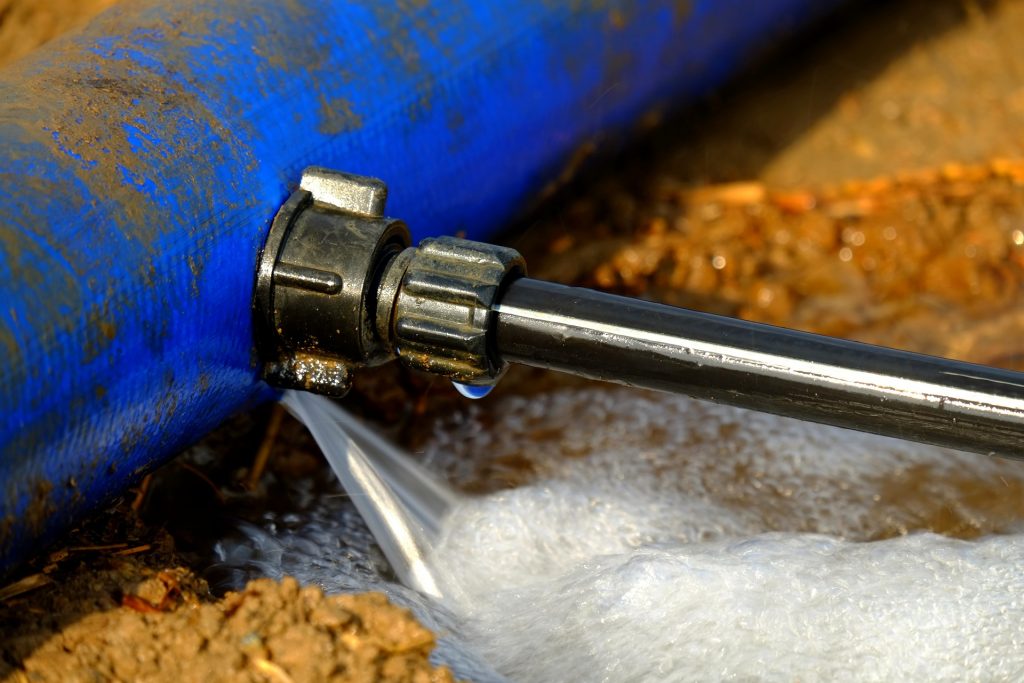
DO make room for wires and pipes in new walls
Even if you aren’t exactly clear on the final results for your finished basement walls, make sure there is enough space for pipes and wiring.
Once these are in place, you have more options for what you can do with the space. It’s easier to change your mind when you have everything you need already in place.
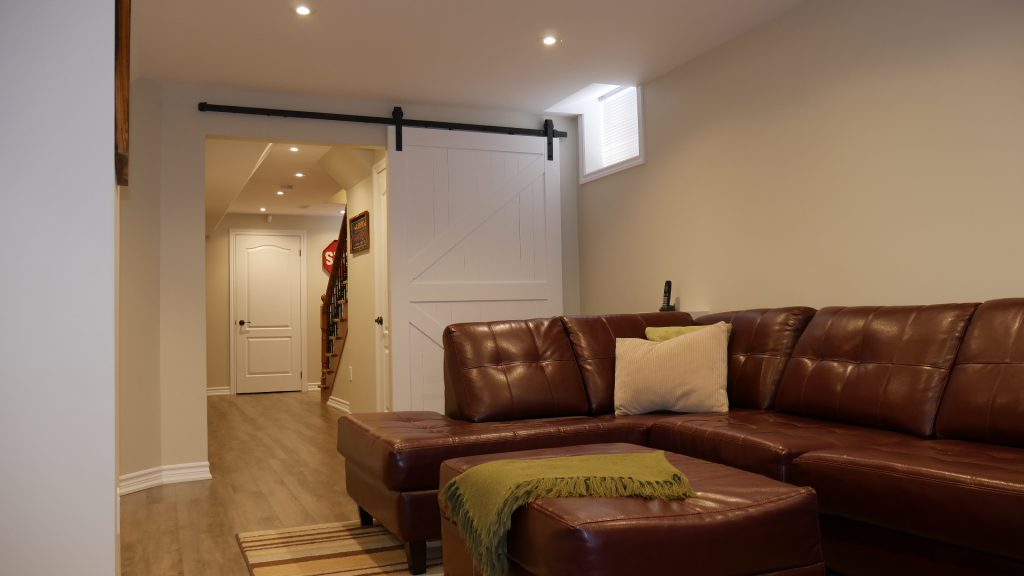
DON’T forget to install an egress window when you add a bedroom
An egress window is not only required, but it also makes a nice addition to any bedroom. The International Residential Code (IRC) requires your basement bedrooms to have one.
It’s a great way to allow in more light and fresh air, you can have a small seating area, or add a few nice plants. Just because it’s necessary doesn’t mean it can’t look great.
DO use materials that are specifically designed for basements
Finishing cement basement walls requires the proper materials. This is because concrete will crack and is a high risk for moisture. Make sure to obtain materials that are resistant to moisture.
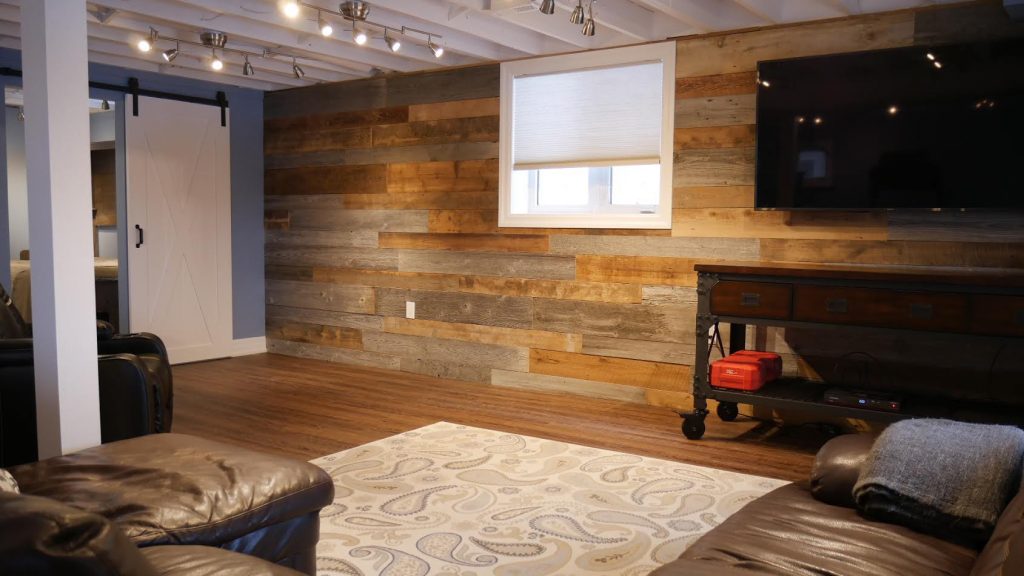
Treated Wood
Pressure-treated wood must be used when it comes into contact with concrete walls. It can absorb water without rotting for several years and it still looks fantastic.
Moisture and mildew-resistant drywall
There are several types of drywall available that will help keep mould and mildew at a minimum. None of them will keep all mildew away, but it is a smart investment to get moisture-resistant drywall.
Proper Insulation
Good insulation, like rigid foam board, can resist water and moisture, which makes it perfect for basement walls. Think about whether you need the walls to be soundproof for a recreation room or studio.
ACQ-Compatible Fasteners
If you are using treated wood, you will also need to use alkaline copper quaternary (ACQ) nails, screws, and other fasteners that must be ACQ-compatible. The chemicals used in treated wood will destroy regular nails and fasteners.
DON’T overlook small details
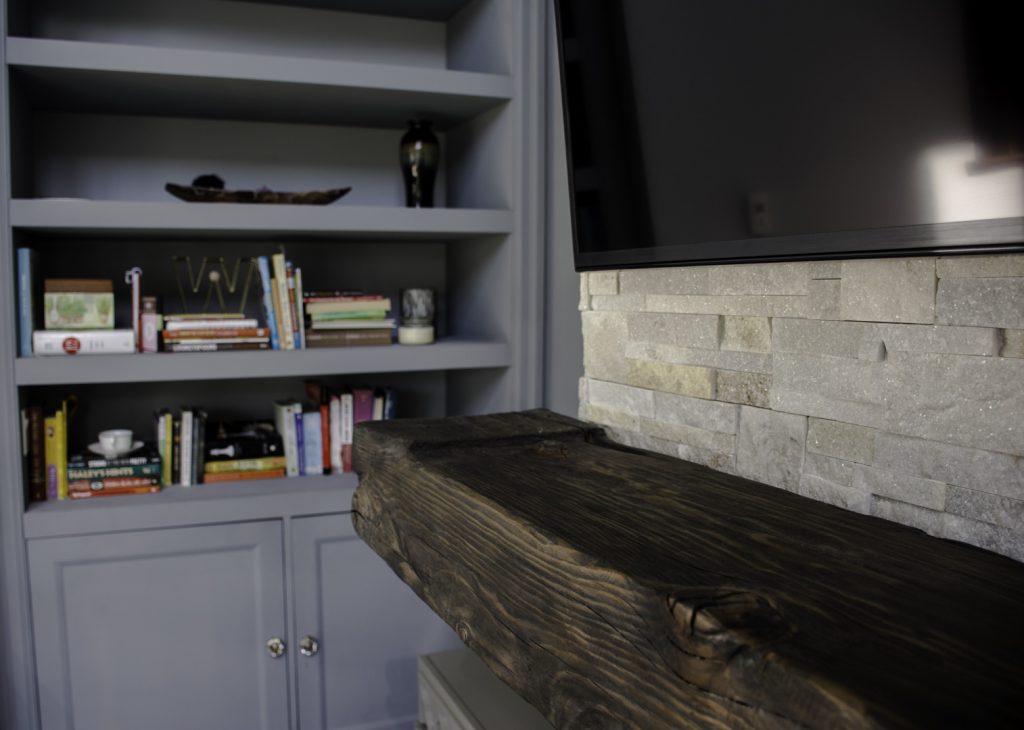
It can be easy to get lost in the bigger project when you are finishing walls in your basement. Keep the smaller details in mind that will bring the whole project together.
- Lighting
- Fixtures
- Ductwork
- Plumbing location
- Columns
- Joists
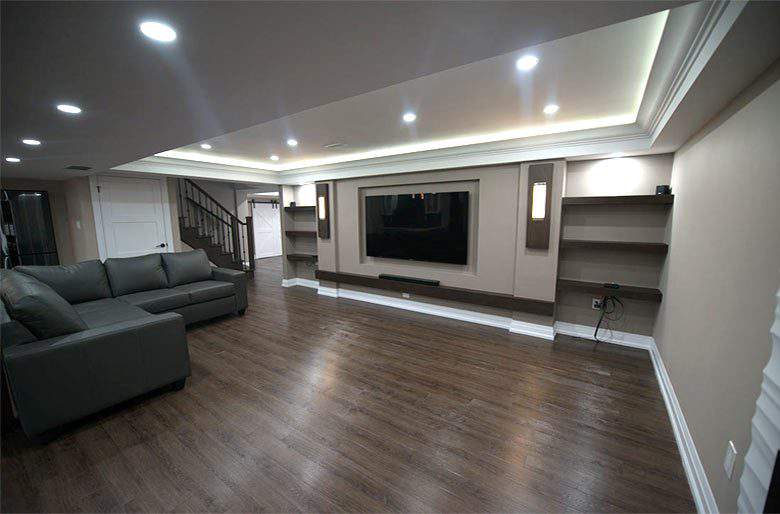
When you consider these at the beginning, it will pay off in the end. You need to think about how the finished project will look and what style or design you are going for.
DO check your walls for any flaws before construction begins
Concrete is never flawless. If you check for small bumps, holes, and other smaller issues before you start, you won’t have to make adjustments when you start work. Even small recesses that are left open can be a magnet for moisture. Once your walls are finished, this can cause a lot of issues in the future. DON’T forget that all outlets in an unfinished or finished basement must be GFCI protected
Due to the natural moisture that occurs in a basement, all your outlets need to be GFCI-protected. The National Electrical Code (NEC) 2020 requires outlets to be protected to prevent shocks.
This is a smart move regardless of whether you’re adding plumbing in later or not. Just because the outlet isn’t near a tap or laundry area, moisture can still make its way in.

DO consider drywall alternatives for basement walls
If you’re considering finishing your basement walls without drywall, there are plenty of options available. Drywall is great for other areas of your home, but not necessarily for your basement.
Instead, think about:
- Wood planks
- Plastic tiles
- Veneer
- Exposed brick
- Fabric
- Paint
With various materials available that can be made to look like other more expensive finishes, you can still have high-end walls without the cost. This will depend on what you’re ultimately using the room for.
DON’T overlook mould and mildew protection when choosing paint for basement walls
When it comes to paint for finished basement walls, it’s important to think beyond colour. You need a primer and a paint that will not only keep mildew at bay, but stop it completely.
There are a few brands to choose from that can be applied to drywall, concrete, wood, and other paintable surfaces. Zinsser’s primer removes all existing mould and bacteria.
Contact Us
These are some helpful tips that you can follow when you’re finishing your basement walls. Another big ‘Don’t’ – don’t do the work yourself. While there are certain things you can do on your own, finishing basement walls is best left to the pros.
Whether you need an extra bedroom, home office, man cave, or a full suite, Harmony Basements can help. Contact us today to book a consultation or to learn more about our basement finishing services.
Want to see these ideas built? Browse more basement ideas: photographs of basements we finished, room by room.